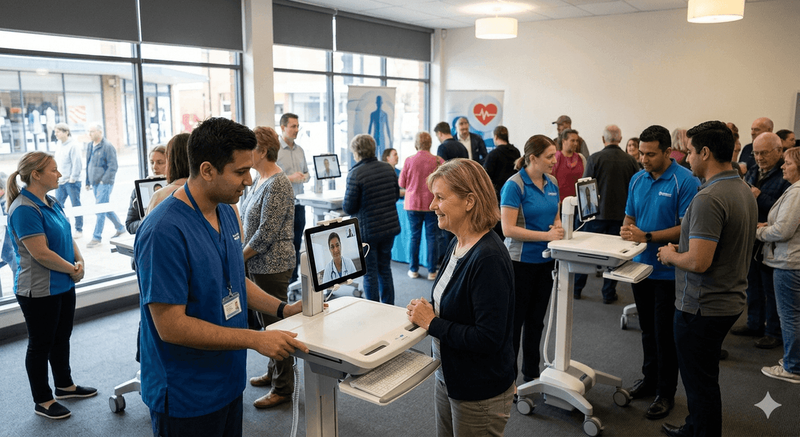

A three-location med spa was losing GLP-1 and peptide demand to DTC competitors while a consultant quoted 18 months to build the infrastructure in-house. Running on FUSE Health under its own brand, the practice went from first conversation to first patient enrollment in 28 days, with GLP-1 and peptide programs live simultaneously and refill logic active before anyone enrolled. The first cohort came from existing patients with no paid acquisition spend, and in-practice visit frequency actually went up — the telehealth touchpoints gave patients a reason to engage between appointments.
Core Insights
Introduction
A mid-size med spa with three locations and roughly 600 active patients had watched GLP-1 and peptide demand increase sharply in their client base. Patients were raising the topic unprompted at consultations. Front desk staff were fielding questions they had no infrastructure to answer. Revenue that belonged to the practice was going to DTC telehealth competitors.
The practice owner wanted to add a digital health revenue channel without hiring a clinical director, building technology, or creating a separate legal entity. The program needed to feel like a natural extension of what patients already associated with the brand.
The Challenge
The med spa had no telehealth technology infrastructure. Their existing stack covered in-practice bookings and EMR management — nothing that could handle async provider review, pharmacy routing, or subscription billing. A local healthcare consultant quoted an 18-month build timeline covering state-specific licensing, HIPAA architecture, pharmacy contracting, and provider credentialing. That timeline was not viable. Revenue being lost to competitors over 18 months would exceed the cost of any build. Patient conversations were already happening at the front desk. The program needed to exist before those patients made decisions elsewhere.
Step 1 — Branded Storefront Configuration
The patient portal was configured on FUSE Health infrastructure under the med spa's brand identity. Patients saw the practice name, colors, and visual language throughout intake and checkout. No reference to the underlying platform appeared. Brand trust built over years of in-practice visits was preserved at every touchpoint.

Step 2 — GLP-1 and Peptide Program Setup
Both program categories were configured simultaneously. Intake forms were built for each category. Provider credentialing was confirmed for the states where the practice operated — a step that typically requires weeks of legal work in a custom build but was pre-configured within the FUSE Health network.
Step 3 — Refill and Subscription Activation
Refill logic was live before the first enrollment. The practice began generating monthly recurring revenue from the first refill cycle without additional acquisition budget or changes to in-practice operations.
Branded Patient Portal — Patients experienced the med spa brand throughout the full telehealth journey from intake through delivery confirmation.
Two Program Categories Simultaneously — GLP-1 and peptide programs launched together — two clinical entry points and two independent subscription revenue streams.
Warm Audience Conversion — Existing patients converted well above industry benchmarks for cold acquisition due to existing trust.
Monthly Recurring Revenue from First Cohort — Subscription refill logic generated predictable monthly revenue from the first cohort within 60 days.

Build Your Telehealth Platform Faster
Launching digital healthcare services requires complex infrastructure. FUSE provides the tools needed to connect patients, providers, and pharmacies in one platform.
Step 4 — Warm Patient Routing
Existing patients were notified via email and during in-practice visits. Because the audience already trusted the brand, conversion was significantly higher than cold paid acquisition. The first cohort enrolled without any paid acquisition spend.
What Launched
Within 30 days the practice had an operational telehealth program running alongside in-practice services. Both GLP-1 and peptide programs were live simultaneously, giving patients two entry points and the practice two subscription revenue streams.
Core Insights
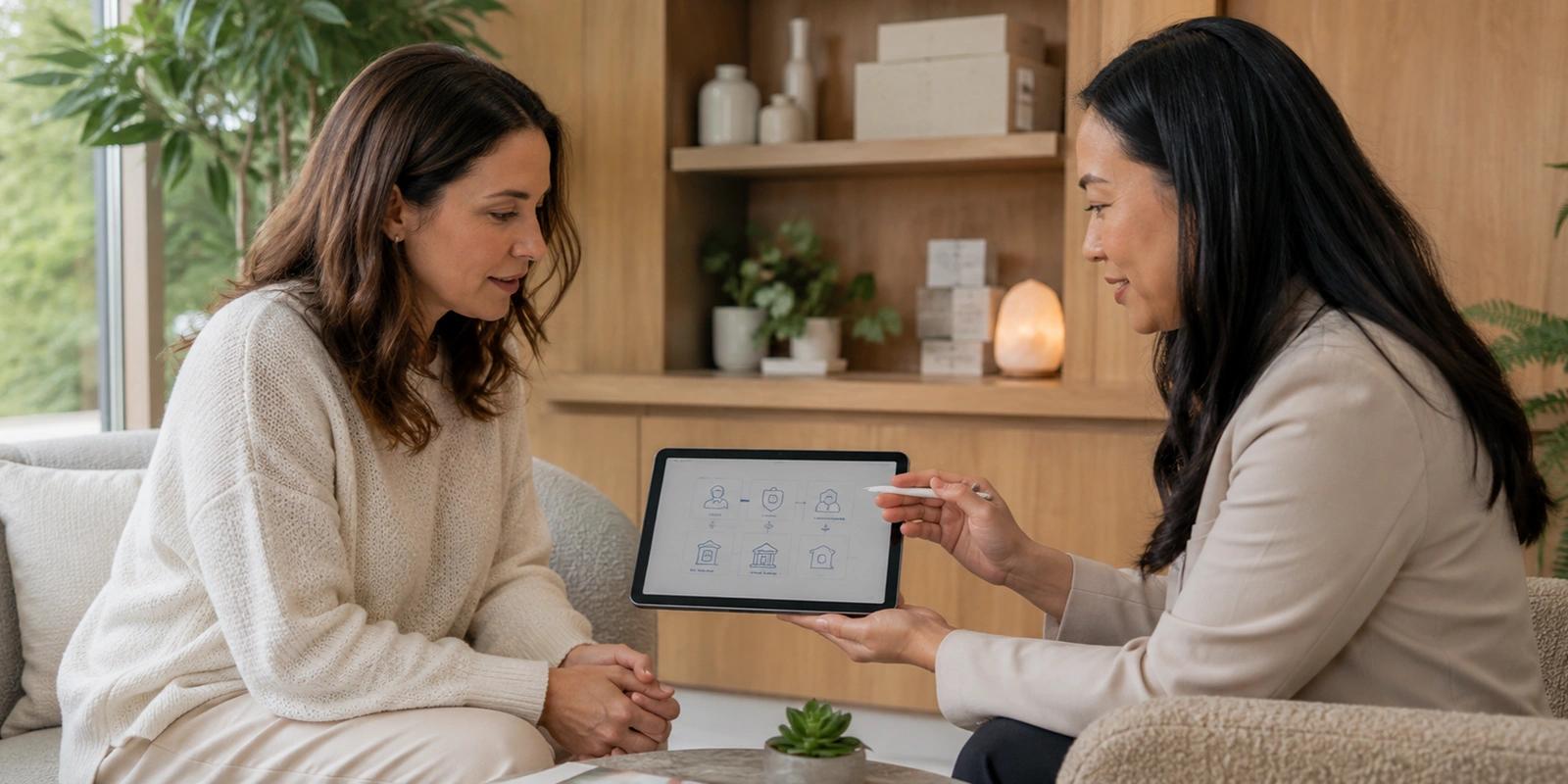
The practice launched in 28 days from first conversation to first patient enrollment — versus the 18-month custom-build estimate. The telehealth channel generated monthly recurring revenue that had not existed 30 days earlier.
In-practice visit frequency from enrolled telehealth patients increased after launch. Telehealth touchpoints created additional engagement points between appointments, improving patient retention across both channels. The practice owner managed brand and patient communications. FUSE Health managed clinical review, pharmacy routing, and subscription billing.
References

Daniel is a two-time founder who has scaled service businesses across major U.S. markets. A Y Combinator competition winner, he focuses on removing operational and regulatory barriers so operators can build and scale modern healthcare businesses.
- Background
- Startup Operations & Service Systems
- Experience
- 2x Founder, Multi-Market U.S. Scaling
- Qualifications
- Healthtech Market Expertise & Operational Scaling
- Key Achievement
- Scaled Premier Staff & Eventstaff across major U.S. markets