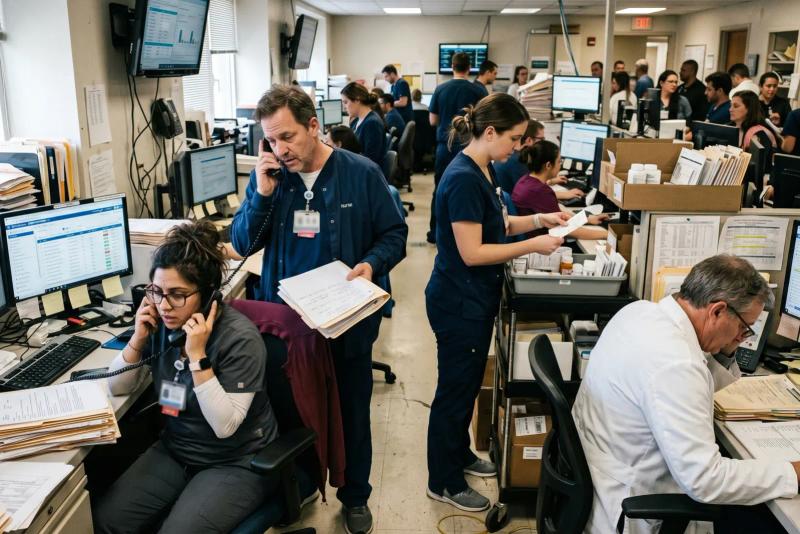

Starting a telehealth business from scratch means 12–18 months of provider credentialing, pharmacy contracting, compliance buildout, and technology development before the first patient is seen. FUSE Health collapses that timeline to days by providing pre-built clinical infrastructure, pharmacy integrations, and compliant workflows ready to configure for any supported health category.
How to Start a Telehealth Business Without Starting from Zero
Most entrepreneurs entering telehealth for the first time dramatically underestimate what a compliant, operational telehealth business requires before it can see its first patient.
A proprietary build requires: provider credentialing across each target state, which involves licensing verification, background checks, and sometimes physician collaboration agreements depending on the prescribing model; pharmacy contracting with licensed 503A or 503B compounding facilities that have appropriate state dispensing authority for the patient populations being served; HIPAA-compliant data infrastructure including encrypted storage, secure transmission, access controls, and audit logging; asynchronous or synchronous clinical review software with e-prescribing functionality; intake systems built around the clinical requirements of each health category; payment and subscription billing infrastructure that functions in a healthcare-adjacent category where standard DTC merchant accounts routinely fail; and LegitScript certification, required by Google and Meta before approving paid advertising for telehealth or prescription programs.
A healthcare attorney will quote 12 to 18 months and $500,000 to over $2 million for a proprietary build that covers all of these components. The honest assessment of most first-time operators who attempt a proprietary build is that they spend 12 months and significant capital arriving at the point FUSE Health provides on day one.

Who This Applies To
This use case is relevant for three distinct operator profiles who share the same infrastructure problem:
First-time healthcare operators who have identified a health category with strong commercial demand GLP-1 weight management, hormone therapy, men's health, peptide protocols and want to enter the market without a multi-year proprietary build. These operators typically have marketing experience, audience access, or capital to deploy but not clinical infrastructure or healthcare operations experience.
PE-backed operators and holding companies entering digital health as a growth category. These operators move quickly and need infrastructure that is ready to deploy when capital is available — not dependent on 18 months of clinical buildout.
Entrepreneurs with a specific health category or patient population in mind who need a compliant route to market that does not require hiring a clinical director, building technology, or negotiating with pharmacy partners before the commercial viability of the category is validated.
What FUSE Health Provides
FUSE Health provides the five infrastructure components that represent the longest lead times in a proprietary telehealth build:
- Pre-built clinical infrastructure — the provider network, credentialing, and prescribing workflows are already established. Operators do not credential providers, negotiate physician collaboration agreements, or build provider management systems.
- Category-specific intake configuration — intake forms are built for the operator's chosen health category with clinical questions that generate submissions supporting complete asynchronous provider review. Intake logic is validated against the prescribing protocol before the first patient completes it.
- Pharmacy integrations — pre-structured routing to licensed pharmacy partners for supported categories. Prescriptions route electronically without manual coordination. Operators do not negotiate pharmacy contracts, establish controlled substance protocols, or manage fulfillment logistics.
- Healthcare payment and subscription infrastructure — configured for recurring healthcare billing with refill logic that converts first-visit revenue into monthly recurring revenue. Payment infrastructure is tested for healthcare-category merchant requirements before the first charge processes.
- LegitScript certification — built into the platform. Operators launch with paid acquisition channels available on day one rather than waiting 60 to 90 days for standalone certification.
The Build Cost vs. Platform Cost Comparison
FUSE Health provides the infrastructure needed to launch and operate a telehealth business without building every backend system from the ground up. The platform supports the core workflows that usually slow operators down before launch, including patient intake, provider coordination, prescription routing, pharmacy integration, payment infrastructure, and patient communication.
Instead of managing disconnected vendors for clinical workflows, software, pharmacy access, compliance processes, and recurring payments, operators can use a connected system designed for telehealth operations. This creates a more organized path from patient interest to intake completion, provider review, prescription fulfillment, payment, and ongoing care.
FUSE Health also supports the business side of launch. Operators can configure the patient experience around their brand, build recurring-care programs, manage refill or subscription workflows, and gain visibility into the operational steps that affect conversion, retention, and patient satisfaction.
The result is a more practical launch foundation for founders who want to enter telehealth without spending months assembling infrastructure before serving their first patients.

Build Your Telehealth Platform Faster
Launching digital healthcare services requires complex infrastructure. FUSE provides the tools needed to connect patients, providers, and pharmacies in one platform.
The Launch Sequence That Generates Revenue Immediately
FUSE Health's approach to first-time operator launches is built around a specific sequencing that generates patient revenue as quickly as possible after onboarding begins.
Week one focuses on brand configuration storefront setup, brand identity integration, and initial intake form review. The operator is not building infrastructure during this week; they are customizing a pre-built platform to their brand.
Week two focuses on intake validation confirming that the intake form generates submissions that support complete clinical review for the chosen health category, and that the prescribing protocol is documented and followed correctly by the provider network.
Week three, for most operators, is the first patient. LegitScript certification is in place. Payment infrastructure is configured. Pharmacy routing is tested. The provider network is ready. The operator focuses on patient acquisition the one component of the launch that cannot be pre-built.
This sequencing pre-built infrastructure, operator-configured brand, rapid patient acquisition is what collapses the 18-month proprietary build timeline into a two-to-four-week launch process.

Conclusion
Starting a telehealth business does not require starting from zero on infrastructure. Provider credentialing, pharmacy contracting, HIPAA compliance, clinical review software, and payment infrastructure are already built and available through FUSE Health as a configurable platform.
Operators who use pre-built infrastructure launch in weeks and generate revenue before proprietary-build competitors have finished their provider credentialing. The capital that would have gone into an 18-month build goes instead into patient acquisition from a revenue-ready platform.
The infrastructure already exists. The operator's job is to configure it for their brand and category and then acquire patients.
References
- HHS: HIPAA for Professionals
- HHS: Telehealth Privacy and Security Guidance
- FTC: Health Breach Notification Rule
- CMS: Telehealth
- DEA Diversion Control Division
- FDA: Human Drug Compounding
- Google Ads: Healthcare and Medicines Policy
- Meta: Advertising Standards
- LegitScript: Healthcare Certification

Daniel is a two-time founder who has scaled service businesses across major U.S. markets. A Y Combinator competition winner, he focuses on removing operational and regulatory barriers so operators can build and scale modern healthcare businesses.
- Background
- Startup Operations & Service Systems
- Experience
- 2x Founder, Multi-Market U.S. Scaling
- Qualifications
- Healthtech Market Expertise & Operational Scaling
- Key Achievement
- Scaled Premier Staff & Eventstaff across major U.S. markets