Good faith exam turnaround was the wall between a two-location med spa and the GLP-1 program patients kept asking for. With a FUSE storefront, a licensed provider network, and a structured good faith exam workflow, they went from zero to 112 enrolled patients in 30 days without hiring a single clinician.
A good faith exam looks like a small piece of paperwork until it's the thing stalling every GLP-1 patient at your front desk. That was the situation at a two-location med spa outside Phoenix in early 2026. Patients were asking for semaglutide programs a dozen times a week. The owner had a medical director, a nurse team, and a waiting list, and still couldn't sell a single program legally.
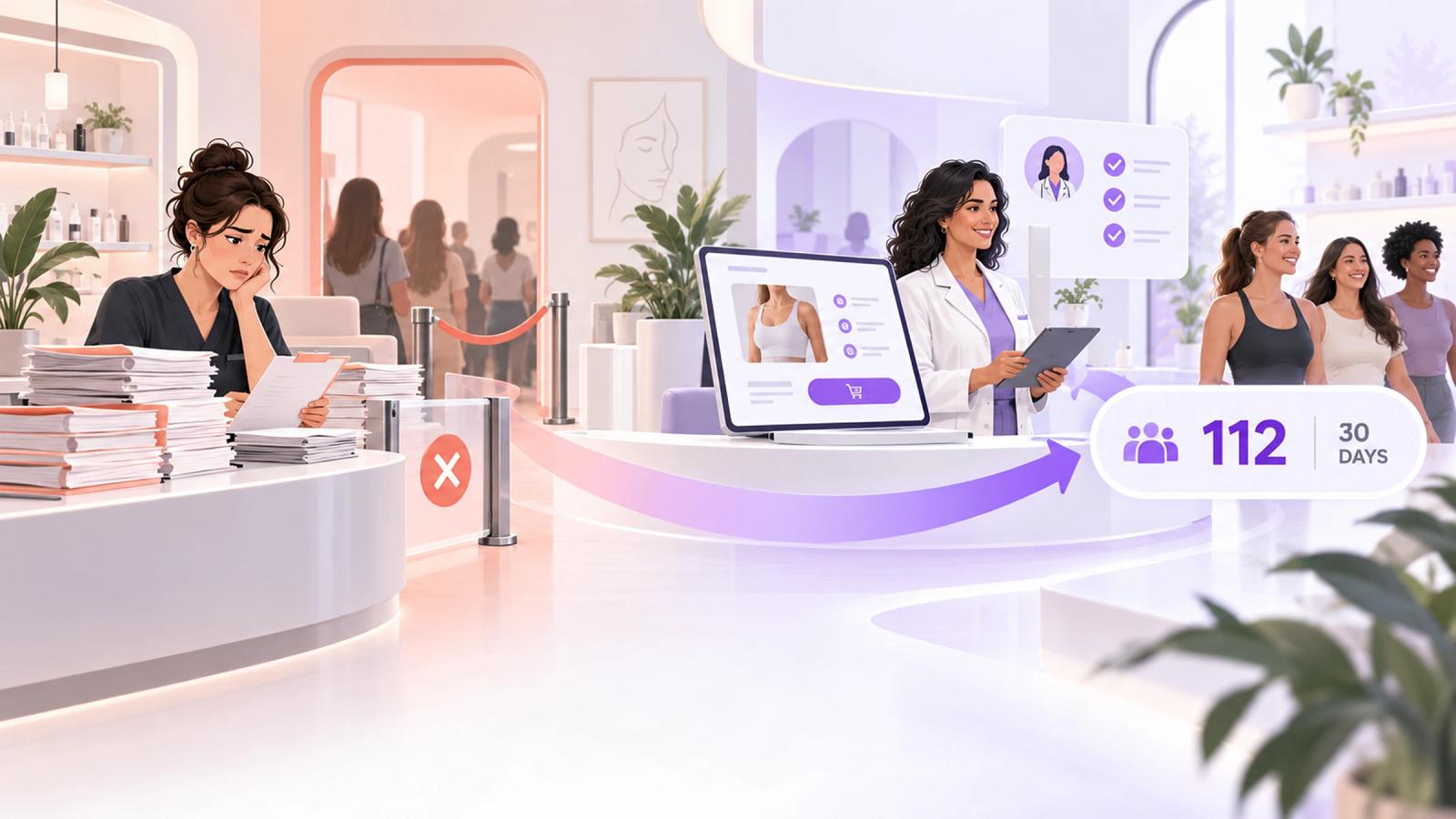
Thirty days after launching on FUSE, 112 patients were enrolled and paying monthly, the medical director had signed off on every chart, and the front desk was spending about six minutes per patient instead of forty.
Here's how it happened, including the two things they tried first that didn't work.
Who the client is
The med spa runs two locations in the Phoenix suburbs with six injectors, a part-time medical director, and roughly 2,400 active patients across both sites. Injectables and laser make up most of the revenue. The owner has run the business for nine years and keeps a close eye on state board activity, partly because a competitor two miles away lost their medical director over a documentation issue in 2024.
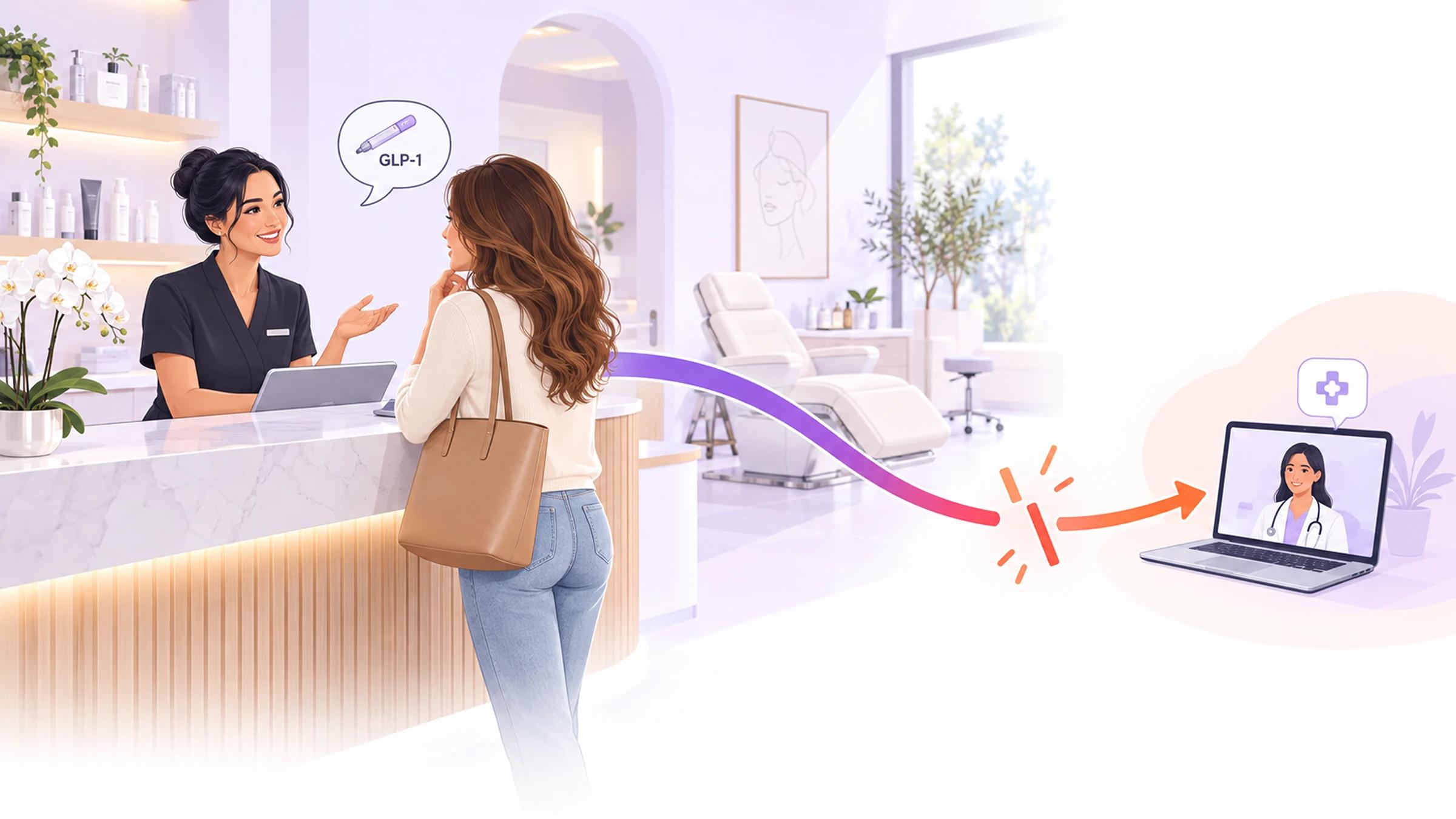
GLP-1 demand didn't come from marketing. It came from patients already in the chair. When KFF polled U.S. adults in May 2024, 12% said they'd taken a GLP-1 drug, and about one in ten of those got it from a med spa or aesthetic clinic. The owner's front desk log showed 10 to 15 GLP-1 inquiries a week by the end of 2025. Most of those patients ended up at an online provider instead.
Why GLP-1 kept stalling at the front desk
The problem was never demand or willingness. It was the good faith exam.
Every state has some version of the rule: a physician, nurse practitioner, or physician assistant has to evaluate the patient and generate a treatment plan before anything gets prescribed. AmSpa's legal team describes it as the encounter that establishes the provider-patient relationship and confirms the patient is a fit for the treatment. It's also, in their words, one of the biggest red flags regulators look for when they investigate a med spa. One AmSpa piece literally calls it the medical spa widow-maker.
The owner knew that. So they tried to do it right, twice.
First attempt: run the good faith exam in-house. The medical director came in two afternoons a week and did 40-minute video or in-room evaluations. That capped the program at about 12 new patients a week on paper, and in practice fewer, because the medical director also had to review labs, sign titration changes, and handle the existing injectable workload. Patients waited nine to fourteen days for a slot. Roughly half of them didn't come back.
Second attempt: contract a standalone telehealth vendor for the exams. The vendor did the good faith exam but nothing else. The med spa still had to collect payment separately, chase the prescription over to a compounding pharmacy, and manually track who'd been evaluated, who'd been prescribed, and who'd been shipped. Turnaround dropped to five to seven days, which was better, but the nurse team was now managing three systems and a spreadsheet. Two charts were missing consent forms when the medical director audited them. That was the point where the owner paused the whole thing.
Their words at the time: "I wasn't going to lose my license over a spreadsheet."
What FUSE set up in the first ten days
The owner came to FUSE with one question: could the good faith exam, the prescription, and the fulfillment run as one workflow the medical director could see end to end?
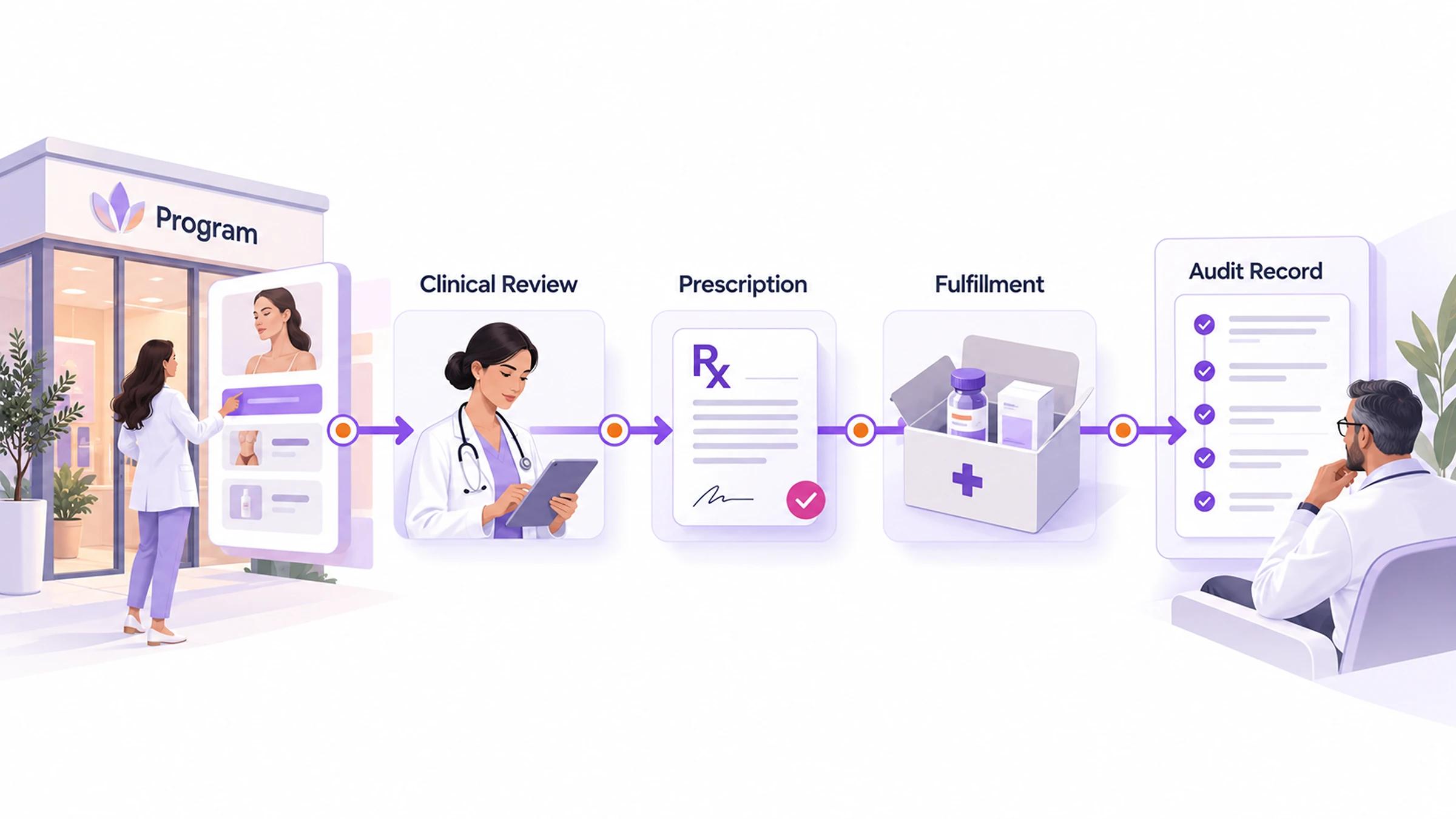
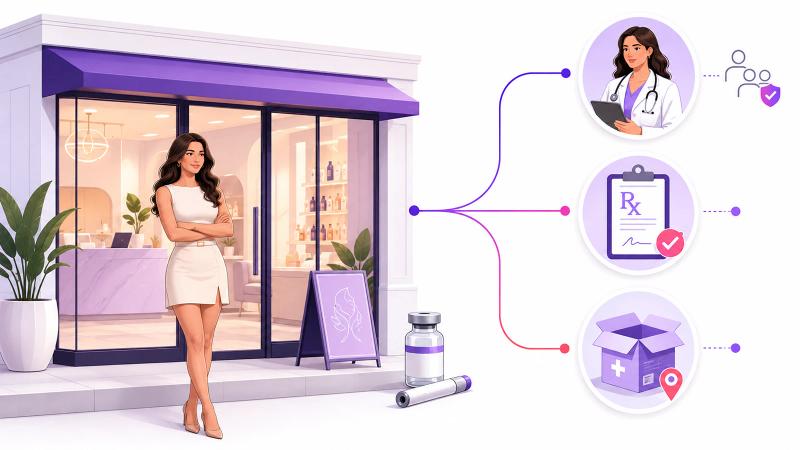
That's the model FUSE is built around. The operator sells the program on a branded storefront. Clinical review and fulfillment run behind it in a fixed sequence, and every step leaves a record the medical director can audit without calling anyone.
The build took ten days, and most of that was on the med spa's side: choosing program tiers, pricing, and which staff would have access to what. Here's what went live.
How the good faith exam workflow runs
- Patient buys the program on the storefront. The med spa's brand, their pricing, their domain. Payment is captured at checkout and held against the clinical outcome, so nobody gets charged for a program they don't qualify for.
- Intake and consent are completed before anyone sees a provider. Medical history, current medications, contraindication screening, and state-specific consent forms are all collected in the same flow. Incomplete intake can't move forward.
- A licensed provider in the FUSE network performs the good faith exam. Providers in the FUSE provider network are matched by state licensure automatically. The exam is synchronous or asynchronous depending on state rules, and the provider's evaluation and treatment plan are documented in the chart.
- The prescription routes to a partner pharmacy. FUSE has pharmacy integration in place before an operator launches, so there's no vendor to line up. Compounded or branded, depending on what the provider selects and what the program allows. Tracking is attached to the patient record.
- The medical director reviews on their own schedule. Every chart, every prescription, every refill decision is visible in one place. They can flag, hold, or approve without being in the exam.
The med spa's nurses stayed in the workflow for what they're actually good at: answering patient questions, scheduling follow-ups, and running the in-person side of the business. They stopped being the glue between vendors.
One detail worth knowing: FUSE also runs a marketplace where licensed brands list their own programs on the same white label telehealth platform. That mattered later, because the owner added a second program line in month two without negotiating a new vendor contract or rebuilding the storefront.
What the first 30 days looked like
The headline number is 112 enrolled patients by day 30, which works out to roughly $42,000 in monthly recurring program revenue at their average tier. But the owner cares more about the operational numbers, because those are what let the program keep running.
The number that surprised the owner was the drop-off rate. Under the in-house model, roughly half the patients who inquired never completed an exam. On FUSE, 83% of storefront checkouts completed intake and were evaluated within two days. Speed did most of that work. A patient who pays on a Tuesday and hears from a provider Tuesday night doesn't wander off to an online competitor.
"The part I didn't expect was how much calmer the medical director got," the owner told us at the 30-day review. "She used to dread the GLP-1 conversation. Now she opens the dashboard on Sunday night, reviews the week, and that's it. She actually asked when we're adding the next program."
Client name and location withheld at the owner's request. Figures are from the med spa's own storefront and chart records over the first 30 days after launch.
What this med spa did differently from the ones that stall
We see a lot of med spas attempt GLP-1 and quietly shelve it. The pattern is consistent enough that it's worth naming.
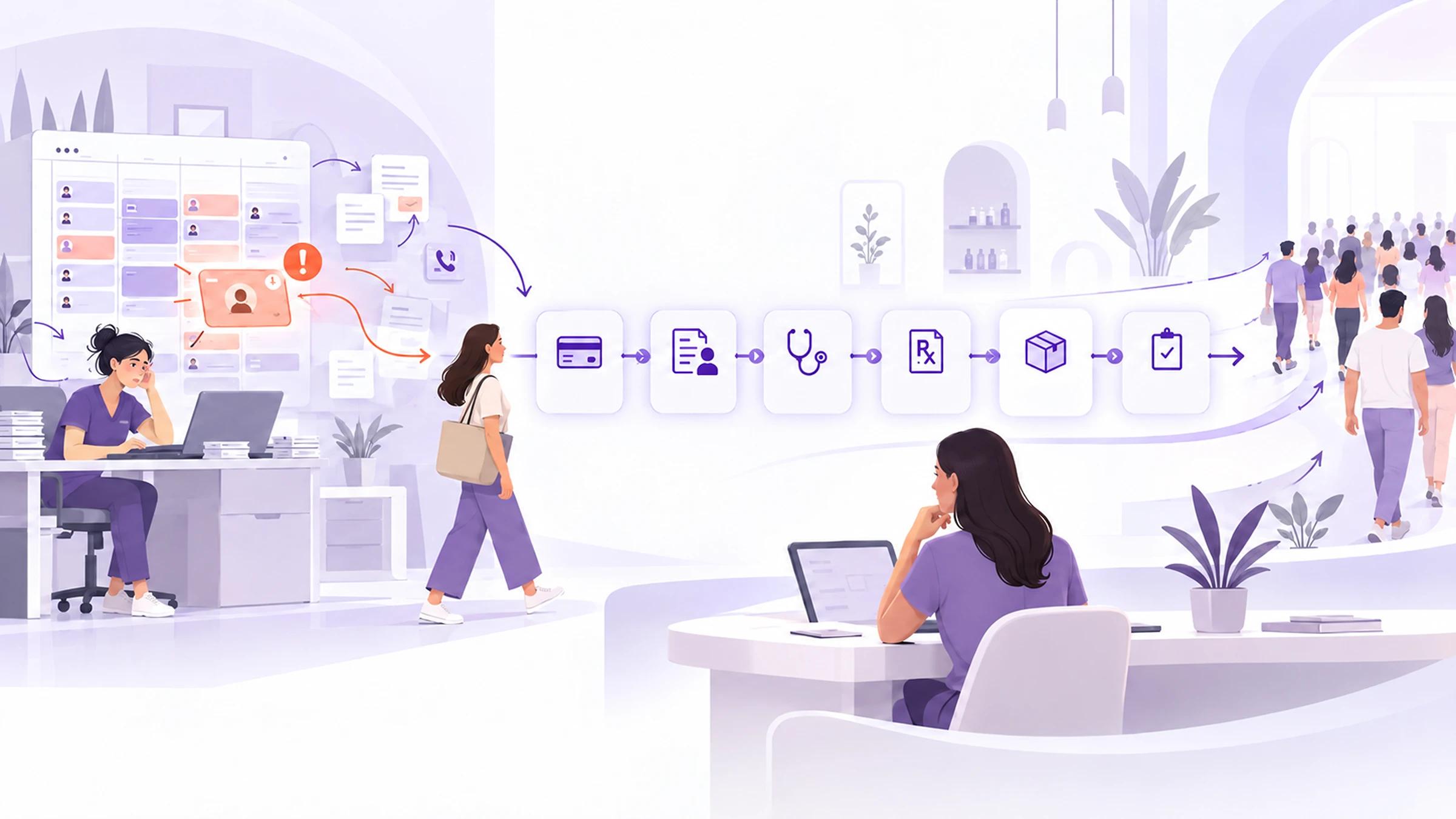
The ones that stall treat the good faith exam as a scheduling problem. They try to fit it into an existing provider's calendar, or they bolt on a vendor for that one step and keep everything else manual. Both approaches work at five patients a week and break at twenty, which is the same place most telehealth launches break at scale. The failure usually shows up as a documentation gap, because the humans holding the process together get busy.
The ones that work treat the good faith exam as the first step in a sequence that has to run the same way every time, whether it's patient number 3 or patient number 300. Payment, intake, exam, prescription, fulfillment, review. Same order, same records, no exceptions for a rush.
That's a med spa compliance decision as much as a revenue decision. This owner made it once, up front, and didn't have to make it again. We saw the same pattern when a lab brand launched white label telemedicine: the workflow was configured before launch, so growth became a configuration change.
Where this leaves you
If patients are already asking you for GLP-1 and you're sending them elsewhere, the gap between you and this med spa is a workflow, not a license. You already have the medical director. You already have the patients. What you're missing is a good faith exam process that runs at the speed patients expect and leaves the paper trail your state board expects.
FUSE builds that process for licensed operators, with the storefront in front and the clinical and fulfillment work behind it. Thirty days is a realistic timeline because most of the setup is decisions, not development. If you want the step-by-step version, we've written up how to start a telehealth business safely.
Book a walkthrough and we'll show you the workflow running live before you commit to anything.
This case study describes the operational setup of a licensed medical practice using FUSE infrastructure. It is not medical advice and does not describe the appropriateness of any treatment for any patient. Prescribing decisions rest with licensed providers, and program design must follow the laws of each state in which the operator practices.
References
- KFF Health Tracking Poll May 2024: The Public's Use and Views of GLP-1 Drugs
- What Is Required of a Medical Spa's Good Faith Exams?, AmSpa
- Good Faith Exams: The Medical Spa Widow-maker, AmSpa
- FUSE Health
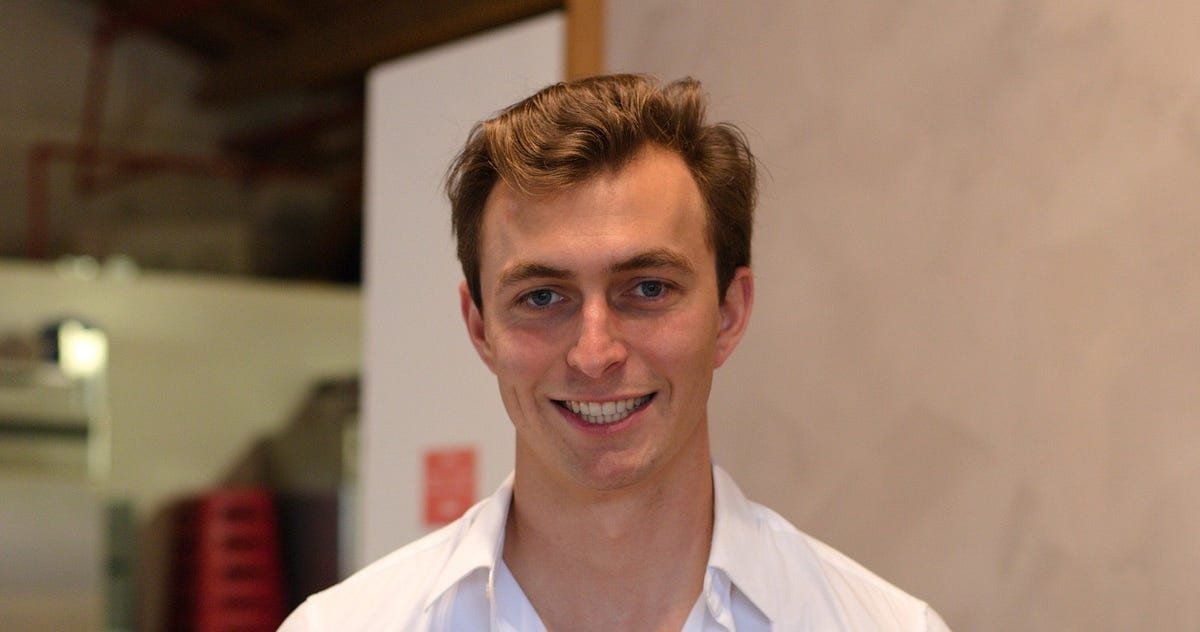
Daniel is a two-time founder who has scaled service businesses across major U.S. markets. A Y Combinator competition winner, he focuses on removing operational and regulatory barriers so operators can build and scale modern healthcare businesses.
- Background
- Startup Operations & Service Systems
- Experience
- 2x Founder, Multi-Market U.S. Scaling
- Qualifications
- Healthtech Market Expertise & Operational Scaling
- Key Achievement
- Scaled Premier Staff & Eventstaff across major U.S. markets