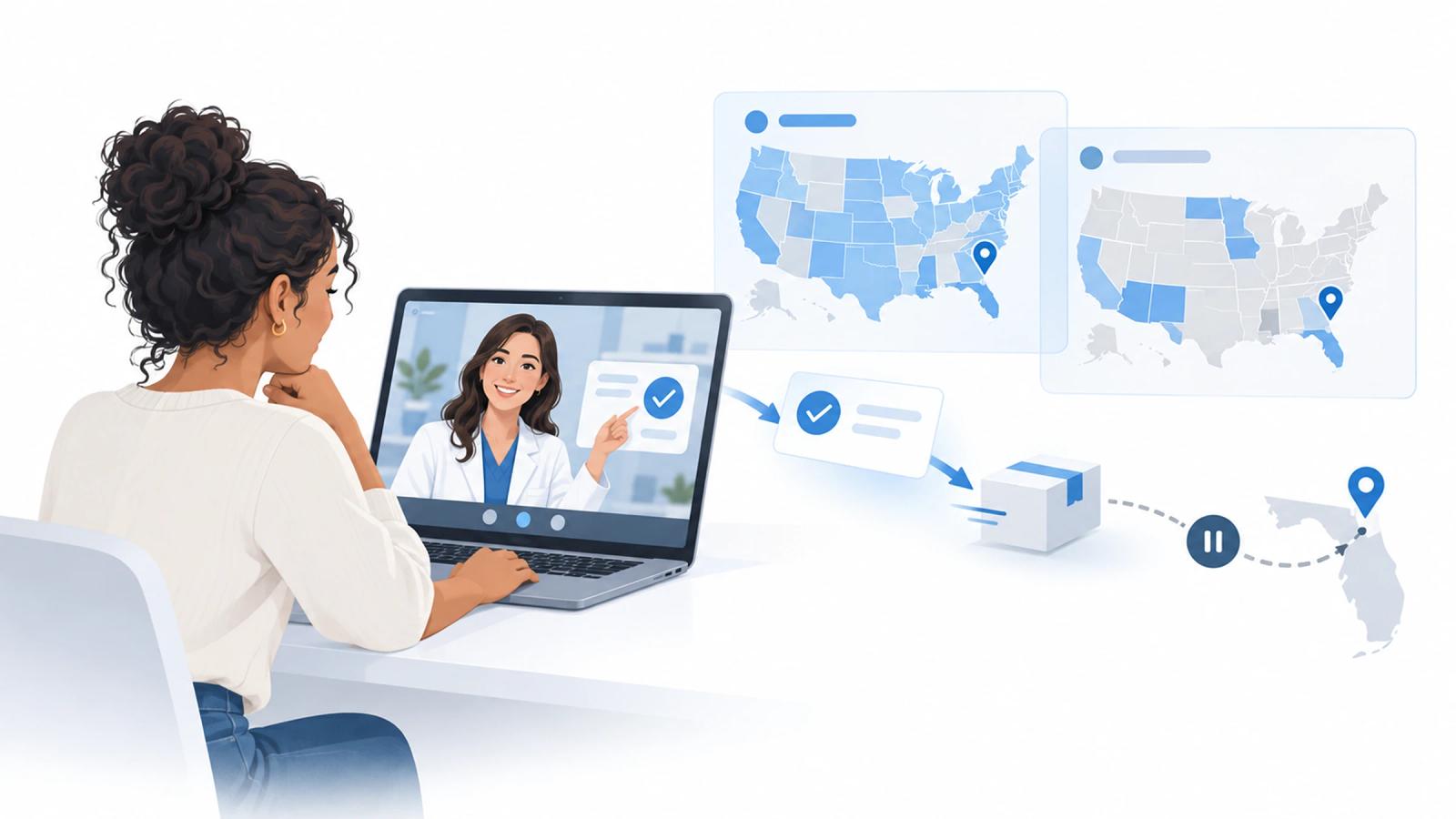
Telehealth pharmacy licensing trips up programs when the states your providers can prescribe in don't line up with the states your pharmacy can ship to. Check both maps at intake, route every order by state, and approved patients stop getting stuck after checkout.
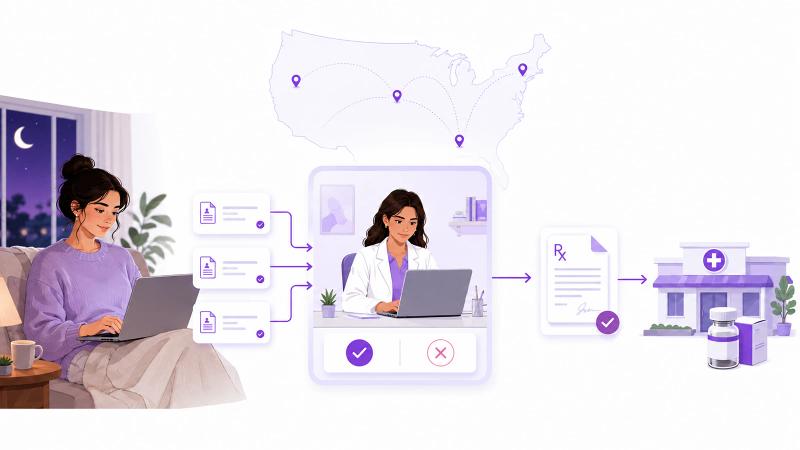
A patient fills out your intake form, a licensed provider approves them, their card goes through, and three days later the order is still sitting in a queue because the pharmacy can't legally ship to their state. On paper, nobody did anything wrong. The provider was licensed where the patient lives, and the pharmacy was licensed too, just not there.
That's the gap this post is about. Every state now requires out-of-state pharmacies to hold a license before they ship in, and Massachusetts was the last one to get there, with enforcement starting May 1, 2025. So if you're running a multi-state program, you're working with two license maps at once, one for your providers and one for your pharmacy. When they don't match, you end up with approved patients you can't fill.
Here's where the two maps split, what it costs you, and how to catch the problem at intake before a patient pays.
Want to see how state checks run inside a live program? Book a walkthrough with the FUSE team.
What telehealth pharmacy licensing means for operators
When operators say "licensing," they usually mean the provider side. But a prescription only turns into a delivered order when two separate sets of licenses cover the patient's address, and telehealth pharmacy licensing is the half that tends to get checked last.

The provider license map
Your prescribers need to be licensed, or hold a valid telehealth registration, in the state where the patient is during the visit. Where the clinician lives doesn't decide it. Compacts and special registrations widen that map, and we've laid out the state-by-state picture in our guide to which states allow telehealth across state lines.
The pharmacy license map
The pharmacy follows the same logic from the other direction. It needs a license in its home state, plus a nonresident pharmacy license in every state it ships into. Some products need extra permits on top of that.
Why two different teams usually check them
Here's the operational catch. Provider licensing usually sits with whoever runs your clinical network, while pharmacy coverage sits with whoever signed the pharmacy agreement. In a lot of programs those are different people, sometimes different companies, and neither one is tracking whether the two lists still match.
Where telehealth pharmacy licensing and provider licensing stop matching
The two maps rarely disagree everywhere. They disagree in a handful of states, for a handful of products, and that's exactly why the problem stays hidden until volume shows up.
Nonresident pharmacy licenses in every state
A pharmacy has to apply state by state, and each board sets its own bar. Massachusetts, for example, requires every nonresident pharmacy to name at least one Massachusetts-licensed pharmacist as responsible for compliance and to pass an inspection before it ships a single prescription in. The pharmacist license alone typically takes the board 30 to 60 days to process, so a pharmacy that's "working on Massachusetts" might be a couple of months away from covering your patients there.
Extra permits for sterile compounded products
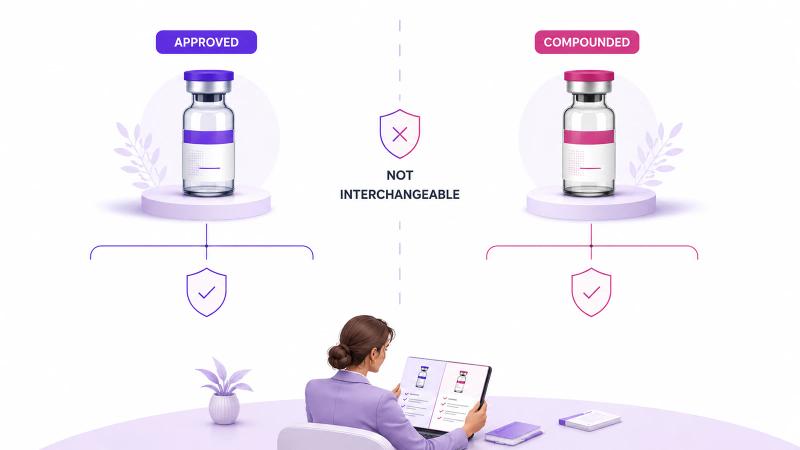
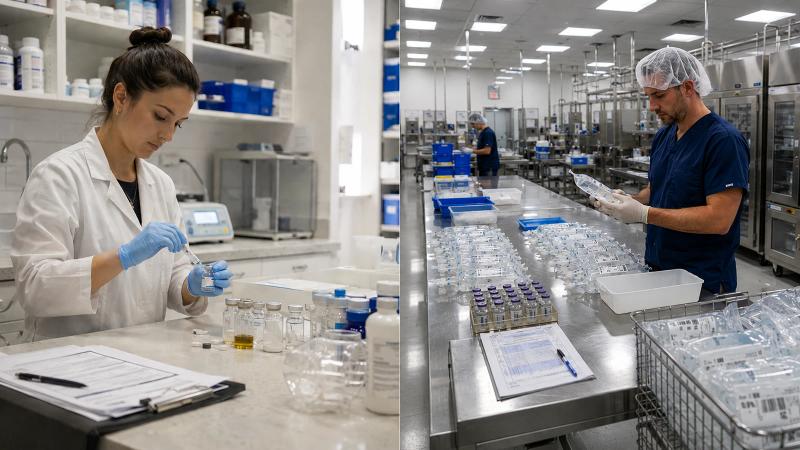
Compounded injectables add another layer. Florida requires a separate nonresident sterile compounding permit on top of the pharmacy's nonresident registration, and the first application needs a home-state inspection report from within the last six months. So a pharmacy can be cleared to ship oral products into Florida and still be blocked on the injectable your whole program is built around. If you're still choosing a pharmacy type, our 503A vs 503B breakdown covers how that choice changes what you can ship.
Drug and category rules that change by state
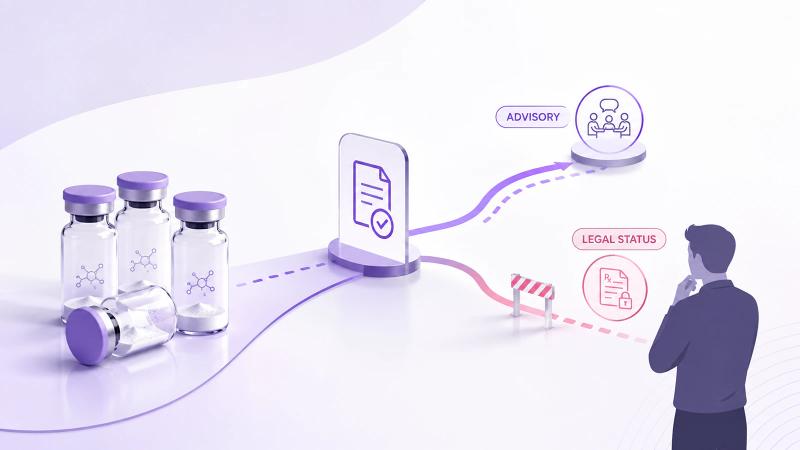
Some states also attach conditions to specific drug categories, like controlled substances or certain compounded preparations, which narrows the pharmacy map even further. Your provider can prescribe it and your pharmacy can hold a general license there, and the product can still fall outside what that pharmacy may send. Our telehealth prescribing guide explains how controlled substances change the rules.
Why the gap costs telehealth programs more than one lost order
One stuck order looks like a support ticket. A few hundred of them across new states starts to look like a broken program, and patients feel it long before your dashboard does.

Approved by a provider and blocked at the pharmacy
From the patient's side, it looks like your brand dropped the ball. They answered every question, got approved, and paid. Then the pharmacy rejects the order, or it just sits while your support team works out why. By the time someone explains the state licensing issue, the patient has emailed twice and is browsing a competitor.
What the gap costs an operator
Each stuck order usually becomes a refund, a support thread, and sometimes a chargeback if the patient calls their bank first. There's a compliance cost too. If an order does ship into a state where the pharmacy isn't licensed, that's unlicensed distribution, and Massachusetts says plainly that pharmacies doing it face prosecution and penalties. Your brand is the name on the storefront either way. There's no trustworthy industry figure for how often this happens, so track it yourself. Watch your newest states and products first.
Why the gap widens as you add states and products
Every new state multiplies against every product you sell. Ten states and three products means thirty combinations to keep accurate, and any one of them can flip when a pharmacy lets a license lapse or a board updates its rules. That's why telehealth pharmacy licensing problems tend to surface right when a program starts growing.
How operators compare their options for telehealth pharmacy licensing
Most programs handle the gap in one of three ways, and the right one depends mostly on how many states and products you're running.
The three common setups side by side
| Setup | How it works | Works for | Breaks when |
|---|---|---|---|
| One pharmacy, manual checks | You only sell in states your pharmacy covers | One or two states, one product | You add a state the pharmacy isn't licensed in |
| Several pharmacies, tracked in a spreadsheet | Extra pharmacies fill gaps and ops keeps a coverage sheet | A handful of states with a dedicated ops lead | The sheet goes stale and intake never reads it |
| Routed network with checks at intake | State and product are checked before review, and orders route automatically | Multi-state, multi-product programs | It wasn't built in before launch |
Which setup fits your stage
If you're testing one product in one or two states, a single pharmacy works fine, as long as your storefront won't take orders from states outside its coverage. Once you're past a few states or adding injectables, the spreadsheet version gets fragile fast, because the sheet and the intake form never talk to each other. Our guide to choosing the right white label pharmacy partner lists the questions worth asking before you sign anything.
How to check telehealth pharmacy licensing at intake
The fix is mostly timing. Check coverage before a provider sees the case, and the approved-but-unfillable order never happens.
Screen the patient's state before provider review
Ask for the shipping state early in intake and check it against both maps on the spot. If either map doesn't cover it, the patient sees an honest "we're not in your state yet" before they pay, which is a far better experience than a refund email a week later. Our peptide legality guide walks through this same state verification step for peptide programs.
Keep one coverage matrix for state, drug and pharmacy
Build a single list that shows, for every state, which products you can prescribe there and which pharmacy can ship each one. That way your intake form, your ops team and your pharmacy partners all read from the same source instead of an old export.
Route each order and re-check when rules change
When an approved order comes through, send it to a pharmacy licensed for that state and that product, with a backup lined up where coverage is thin. Then re-check the matrix whenever a partner reports a license change or a board publishes new rules, because the map you launched with won't stay accurate for long. If you run GLP-1 programs, our piece on what GLP-1 pharmacy routing means for telehealth brands goes deeper on the routing logic.
See how intake checks and state routing run in a real program. Book a demo.
How FUSE Health handles telehealth pharmacy licensing for operators

This is the problem we built FUSE around. You run the storefront and the brand, and clinical review and fulfillment run behind it in one connected workflow. That storefront-first model is what keeps state coverage from becoming a manual chase.
State checks and routing in one workflow
FUSE connects intake, licensed provider review and pharmacy fulfillment, so an approved prescription goes to a pharmacy partner chosen by medication category, patient location and your program setup. Fulfillment updates flow back into your dashboard, which means your team isn't calling pharmacies to find out where an order went. Our pharmacy integration use case shows how the partner network gets configured before launch.
What the operator still owns
You keep your offer, your claims and your patient relationship. Licensed providers make every clinical decision, and your state list still needs a sign-off from your own counsel before you go live. If you're still working out ownership structure, our corporate practice of medicine guide covers how operators set that up state by state. The part FUSE takes off your plate is keeping the provider map and the pharmacy map matched as you add states and products.
Closing the gap between telehealth pharmacy licensing and provider licensing before launch
Operators who launch cleanly in new states settle telehealth pharmacy licensing before they spend a dollar on ads.
What to map before your first patient
For every state on your launch list, you should be able to say whether your providers can prescribe there, whether your pharmacy can ship each product there, and what happens to an order if either answer changes next month. If any of those answers is "we'll figure it out," hold that state back for now. Our breakdown of real telehealth startup costs and break-even shows where this work fits in a launch budget.
Your next step
Book a demo and we'll run your state list through the FUSE workflow, product by product, so you know exactly which states are ready on day one.
Disclaimer: This article is general information for business operators and isn't legal advice. State pharmacy and telehealth rules change often, so confirm your state list with qualified counsel before launch.
References
- McDermott Will & Schulte. Massachusetts Implements Long-Awaited Licensing Regime for Out-of-State Pharmacies (December 2024).
- Florida Statutes. Section 465.0158, Nonresident sterile compounding permit.

Daniel is a two-time founder who has scaled service businesses across major U.S. markets. A Y Combinator competition winner, he focuses on removing operational and regulatory barriers so operators can build and scale modern healthcare businesses.
- Background
- Startup Operations & Service Systems
- Experience
- 2x Founder, Multi-Market U.S. Scaling
- Qualifications
- Healthtech Market Expertise & Operational Scaling
- Key Achievement
- Scaled Premier Staff & Eventstaff across major U.S. markets